TMS Treatment in Guildford
(Transcranial Magnetic Stimulation)

TMS Treatment in Guildford
(Transcranial Magnetic Stimulation)







Dr Jo Gee Psychological Therapies is partnering with Smart TMS who provide Transcranial Magnetic Stimulation (TMS) in Guildford, also known as reptitive TMS (rTMS).
TMS uses carefully controlled magnetic pulses to stimulate specific areas of the brain involved in mood, emotional regulation and other functions. Treatment is delivered while you are awake and does not require anaesthesia, surgery or hospitalisation.
TMS is provided as an outpatient treatment, meaning you can return home after each session and continue with your usual activities.

The type of TMS provided by Smart TMS is repetitive Transcranial Magnetic Stimulation (rTMS). The treatment coil delivers a series of magnetic pulses to a specific area of the brain.
These magnetic pulses stimulate nerve cells and can influence activity within the brain circuits associated with a particular condition. One of the mechanisms involved is neuroplasticity – the brain’s ability to adapt and form new connections.
For depression, TMS is typically directed towards the prefrontal cortex, an area of the brain involved in mood regulation.
TMS is a non-invasive treatment and does not involve putting medication into the body or passing an electrical current through the brain.
TMS has been used clinically as a treatment for depression for many years. In 2015, the National Institute for Health and Care Excellence (NICE) issued guidance supporting the use of TMS for dpression in appropriate circumstances.
TMS may be considered for people who have not responded sufficiently to other treatments, experienced unwanted effects from medication, or are looking for a non-medication treatment option.
A clinical assessment is carried out before treatment to determine whether TMS is appropriate for you.
Whether you’re looking to process past trauma, reduce anxiety or improve your emotional wellbeing, our team is here to support you every step of the way.
EMDR costs £155 per session. Book a free 15-minute consultation now to discuss how we can help.
Smart TMS provides TMS for a number of conditions, including:
The evidence for TMS varies between conditions, and not every treatment is suitable for every patient. Your clinician will discuss the available evidence and whether TMS is an appropriate option as part of your assessment.



“From start to finish, it taught me so much about myself.”
“Thank you for challenging me when I needed it.”
“I can’t believe how much progress I’ve made in a short time.”
“After many years of therapy, you are the first person who gets me.”
Before treatment, you will complete an initial safety screening and clinical assessment.
You will be asked to complete questionnaires covering your medical history and current symptoms. These help the clinical team assess whether TMS is appropriate and safe for you.
Your clinical assessment gives you the opportunity to discuss your condition, ask questions about TMS and receive personalised advice about your treatment options.
The assessment costs £350.
If TMS is considered appropriate, your clinician will explain the recommended treatment programme and associated costs before you decide whether to proceed.
Depression and anxiety commonly occur together, and where clinically appropriate, they can be treated within the same TMS treatment session.
Treatment is generally provided in two courses of 15 sessions.
Treatment is reviewed throughout the course, and your clinician will advice you on whether a second course is appropriate.

For OCD, addiction and a number of other conditions, treatment is generally provided in courses of 15 sessions.
The number of sessions required varies depending on the condition and individual circumstances.
Your clinician will discuss the recommended treatment plan with you before treatment begins.
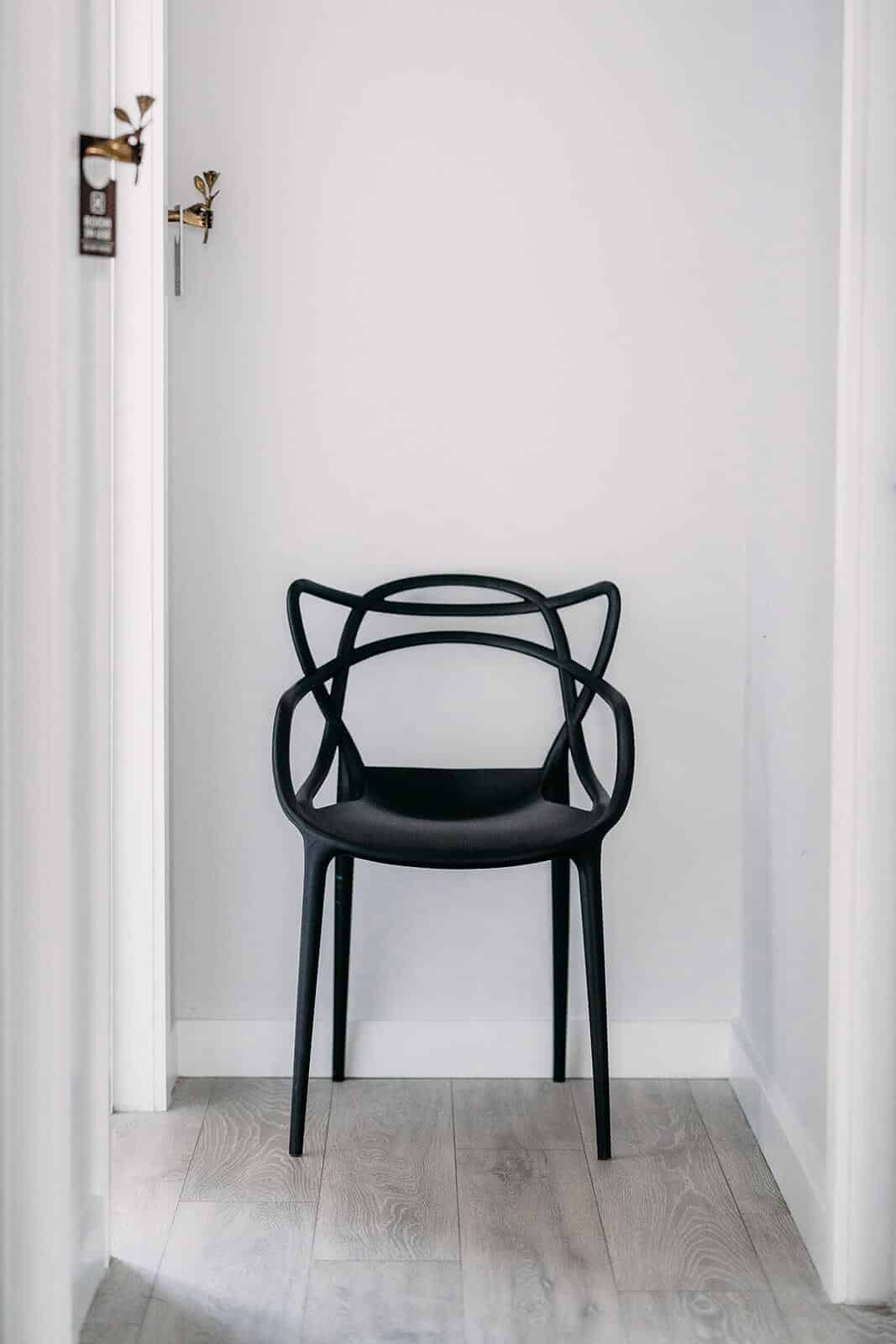
During a TMS session, you remain awake and seated in a treatment chair. A treatment coil is positioned against your head and delivers a series of magnetic pulses to a specific area of the brain.
You may hear clicking sounds and feel a tapping or knocking sensation on the scalp during stimulation. Some people experience temporary scalp discomfort or a headache following treatment.
TMS does not normally require recovery time, so most people can leave the clinic and continue with their day following a session.
TMS in Guildford will be available from November 2026.
If you would like to book a consultation or find out more, please contact info@smarttms.co.uk or call 0345 222 5678.
Ready to book your appointment? Please press the button below to see our online availability. Can’t see what you need, then don’t hesitate to send a message via the contact form below or call or email our offices.
Whatever your current struggle, we’re here to help.
We offer online psychiatry, psychology, counselling and psychotherapy appointments. Contact us for a free 15-minute phone discussion to ask any questions you might have.
Many of our appointments can be conducted online if that’s preferable or easier for you.
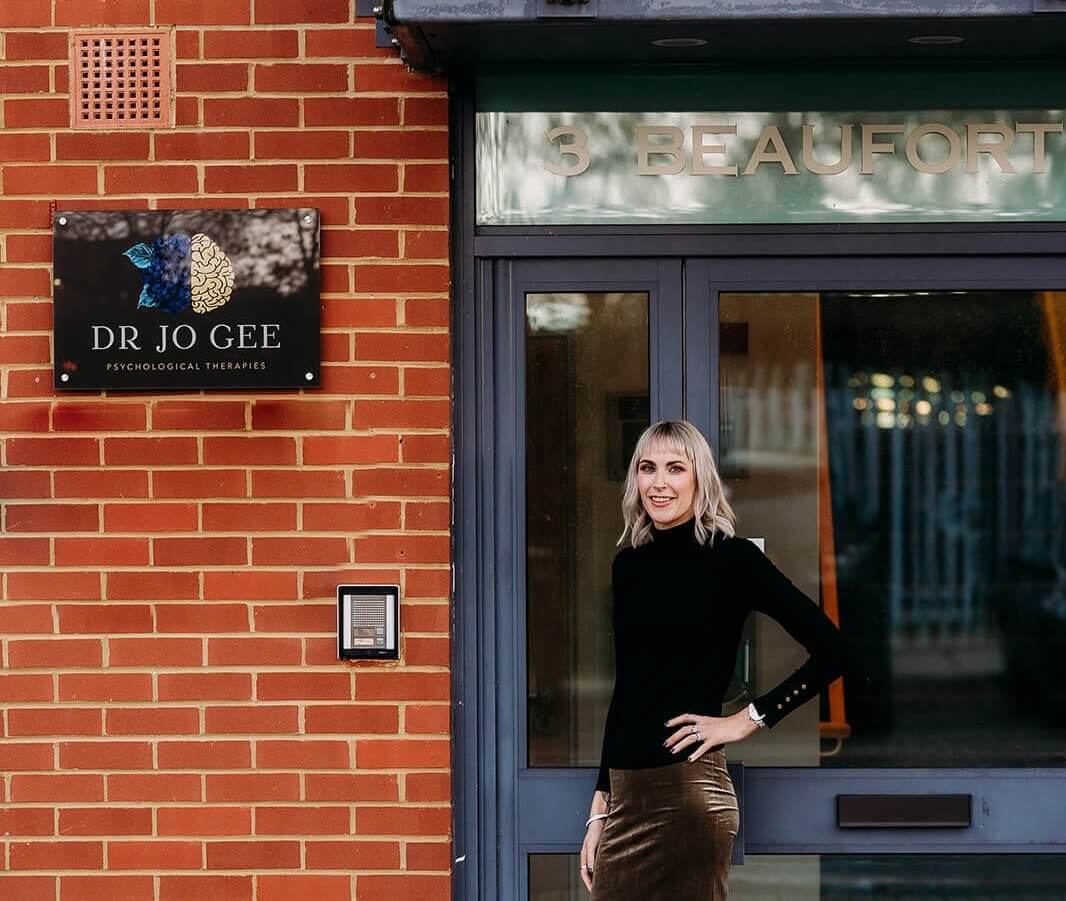
For clinic appointments, we work from 3 Saxton Parklands, Guildford, Surrey, GU2 9JX.
Clients visit us from several nearby locations, including Addlestone, Aldershot, Ashford, Bisley, Camberley, Chertsey, Chobham, Cobham, Cranleigh, Dorking, Egham, Epsom, Esher, Farnham, Farnborough, Fleet, Godalming, Guildford, Haslemere, Horley, Horsham, Kingston, Leatherhead, Lightwater, Oxshot, Redhill, Reigate, Richmond, Send, Shere, Staines-upon-Thames, Sunbury-on-Thames, Surbiton, Virginia Water, Walton-on-Thames, West End, Weybridge, Windlesham and Woking.
Message or call us now to book an initial consultation.
ADDRESS
DJGP
3 Saxton Parklands
Guildford
GU2 9JX
ADDRESS
Guildford Therapy Rooms
3 Beaufort Parklands
Guildford
GU2 9JX
Hours
Monday – Friday: 9.00am – 9.00pm