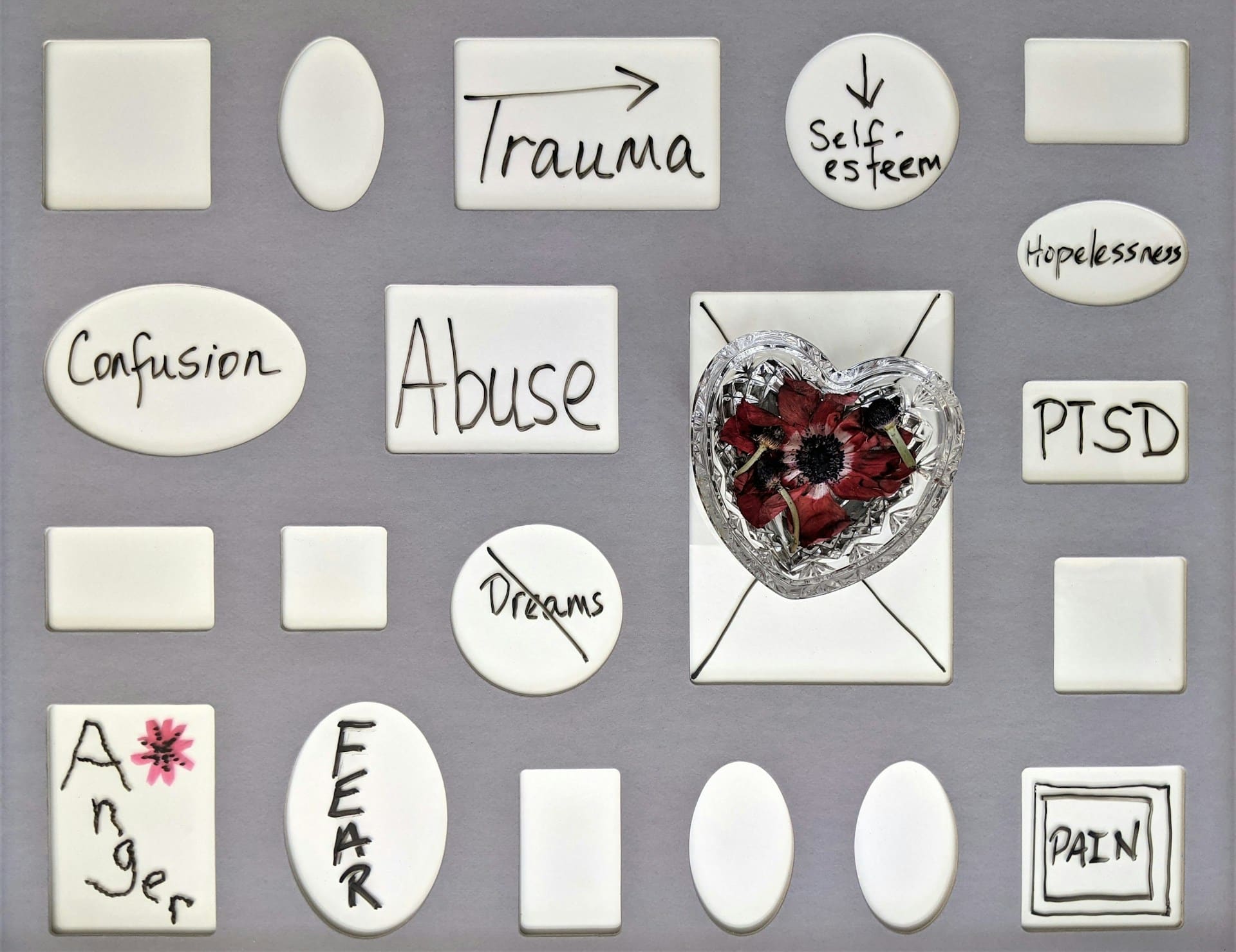
When people think of trauma, they often think of a memory stored in the mind. However, trauma is not only psychological, it is also physical. Experiences of overwhelming stress can leave an imprint on the nervous system, affecting how the body responds long after the event has passed.
The NHS explains that trauma can lead to ongoing physical and emotional responses, particularly in conditions such as PTSD.
When we experience danger, the body activates the fight, flight, or freeze response. Heart rate increases, muscles tense, and attention sharpens so we can respond quickly.
Normally, once the threat has passed, the nervous system settles. However, when an experience is overwhelming, the body may remain on alert.
This can lead to symptoms such as:
If these symptoms persist, exploring trauma therapy support can help you understand how your nervous system is responding.
Sometimes a sound, smell, place, or emotional situation can trigger the body into survival mode. A person may logically know they are safe, yet their body reacts as if danger is present.
Mind UK notes that trauma responses can be stored as sensory memories rather than verbal ones, which explains why reactions can feel automatic.
Not all trauma responses look like anxiety or panic. Some involve shutting down emotionally or physically.
The freeze response may include:
These are survival responses, not signs of weakness.
Therapy can help the nervous system gradually feel safer again. Approaches such as trauma-focused CBT or EMDR can help process experiences in a manageable way.
Working with a therapist through trauma-focused therapy sessions can help you:
If trauma symptoms are affecting your daily life, you can book an initial consultation to explore support in a confidential setting.